Source HEPA Paint Booth Air Filters for Spray Booths
Find and compare 30 HEPA Paint Booth Air Filter options for industrial spray booths, cleanrooms, and ventilation systems. Evaluate specifications like filtration grade, airflow direction, and material composition to select the right solution for your facility.
Key considerations
Products List


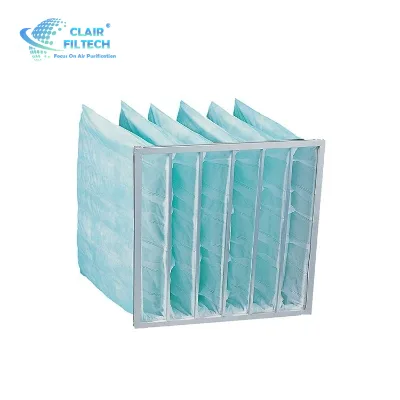
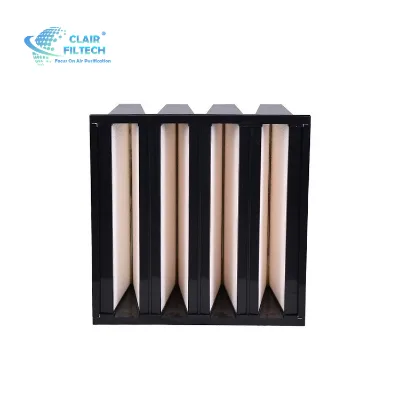
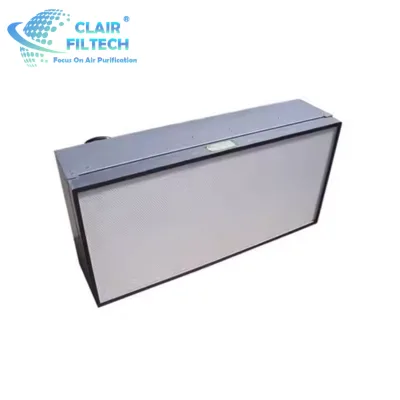


Comprehensive Sourcing Guide
HEPA Paint Booth Air Filter Sourcing Guide
Sourcing high-efficiency particulate air (HEPA) filters for paint booths requires a nuanced understanding of industrial filtration dynamics, material compatibility, and regulatory compliance. These components are critical for maintaining air quality, protecting downstream equipment, and ensuring worker safety in environments where paint mist, oil mist, and dust particles are prevalent. Buyers must navigate a market that offers a wide variety of configurations, from standard pre-filters to deep-pleat high-temperature HEPA units, each serving distinct stages of the filtration process. The decision to procure these filters is not merely about replacing worn components but about optimizing the entire spray booth ecosystem for efficiency and safety.
This guide provides evidence-based procurement advice for sourcing HEPA paint booth air filters, drawing on observed market data and trusted industry knowledge. It focuses on verifying technical specifications, understanding cost drivers, and establishing robust supplier qualification processes. By adhering to the principles outlined herein, procurement professionals can mitigate risks associated with substandard filtration media, ensure compliance with safety standards, and secure long-term value from their supply chain partners. The following sections detail the critical steps for evaluating products, suppliers, and commercial terms.
Product Scope and Observed Listing Signals
The current market for paint booth air filtration includes a diverse range of products, from basic pre-filters to advanced HEPA units designed for high-temperature applications. Observed listings indicate that manufacturers offer various filter types, including folded filters, mini-pleated ultra-thin screens, and deep pleat configurations. These products are often constructed with specific frame materials, such as anodized aluminum profiles, to ensure durability and resistance to corrosion in humid or chemically aggressive environments. The medium material varies significantly, with options including fiberglass and nonwoven fabric, each offering different levels of filtration efficiency and airflow resistance.
Buyers should note that product attributes such as weight, packing, and origin provide initial signals about the product's intended use and quality tier. For instance, some filters are packaged in plastic bags or PE bags for export, while others come in sturdy boxes, suggesting differences in handling requirements and protection during transit. The origin of these products is predominantly China, with specific manufacturing hubs like Guangdong and Guangzhou being common sources. Understanding these baseline attributes helps buyers categorize suppliers and anticipate the level of customization and support they can expect, such as logo or packaging customization for bulk orders.
Technical Specifications to Verify
Verifying technical specifications is paramount to ensuring that the selected filters meet the operational demands of the paint booth. Key parameters to confirm include the filtration grade, such as G3 (EN779) or EU3 (Eurovent) for pre-filters, and the specific HEPA classification for final filtration stages. Buyers must also assess the maximum operating temperature, as some high-temperature HEPA filters are rated for up to 250°C or 320°C, which is crucial for booths with integrated heating systems. Additionally, the airflow direction, such as fully undershot-type, and the air volume capacity, often exceeding 400m³/h, must align with the booth's ventilation requirements to prevent pressure imbalances and ensure effective particulate capture.
Other critical specifications include the final pressure drop, typically suggested at 200PA, and the filter screen construction, which can impact both efficiency and lifespan. Buyers should verify the filter number and model codes, such as XC-FF01 or PE-200, to ensure compatibility with existing booth infrastructure. The standard dimensions, whether customized or fixed (e.g., 2m20m15mm for roll filters), must be precisely matched to the booth's filter housing. It is also essential to confirm the purification technology used, ensuring that HEPA-grade media is employed where required, and to check for any specific construction details, such as the use of filter media that resists clogging and maintains consistent airflow over time.
Compliance and Safety Documentation
Compliance with safety and environmental standards is non-negotiable for paint booth air filters, given the hazardous nature of paint mist and dust particles. Buyers must request and verify relevant certifications, such as CCC, ISO, SGS, and RoHS, which attest to the product's adherence to quality and environmental regulations. These certifications provide assurance that the filters are manufactured under controlled conditions and meet specific performance and safety criteria. Additionally, buyers should inquire about machinery test reports, which offer independent validation of the filter's performance under simulated operating conditions, providing confidence in its reliability and efficiency.
Beyond product-specific certifications, buyers should ensure that the filters comply with local and international air quality standards, such as ISO 16890, which governs the classification of air filters for general ventilation. While specific standard values may vary by region, the presence of a recognized certification body is a strong indicator of compliance. Buyers should also verify that the filter materials are non-toxic and do not off-gas harmful substances, which is critical for maintaining a safe working environment. Documentation should clearly state the filter's ability to capture specific particle sizes and types, ensuring that it meets the regulatory requirements for indoor air quality in industrial settings.
Cost Drivers and Commercial Terms
The cost of HEPA paint booth air filters is influenced by several factors, including the filtration grade, material quality, customization options, and order volume. Observed price ranges vary widely, from low-cost pre-filters to high-end HEPA units, reflecting the diversity in performance and durability. Buyers should consider the total cost of ownership, which includes not only the initial purchase price but also the frequency of replacement, energy consumption due to airflow resistance, and maintenance costs. Higher-quality filters with longer lifespans and lower pressure drops may offer better long-term value, despite a higher upfront cost.
Commercial terms such as minimum order quantity (MOQ), payment terms, and lead times are also critical considerations. MOQs can range from small quantities for testing to large volumes for ongoing supply, with customization options like logo or packaging often requiring higher MOQs. Buyers should negotiate clear terms regarding warranty, which is typically one year for new products, and after-sales service, such as online support, to ensure ongoing assistance. It is also important to clarify the packing method, whether in PE bags, plastic bags, or export packaging, as this can impact shipping costs and product protection. Understanding these commercial dynamics helps buyers make informed decisions that balance cost, quality, and supply chain reliability.
Supplier Qualification and Quality Control
Selecting a reliable supplier is essential for ensuring the consistent quality and performance of HEPA paint booth air filters. Buyers should conduct thorough due diligence on potential suppliers, verifying their manufacturing capabilities, quality control processes, and track record. This includes reviewing their certifications, such as ISO and SGS, and assessing their ability to provide machinery test reports and other performance documentation. Suppliers with a strong presence in manufacturing hubs like Guangdong and Guangzhou may offer advantages in terms of supply chain efficiency and access to high-quality raw materials.
Quality control measures should be clearly defined and agreed upon before placing orders. This includes specifying inspection criteria for incoming materials, in-process checks during manufacturing, and final product testing. Buyers should also establish protocols for handling defects, including return policies and replacement procedures. Regular audits of the supplier's quality management system can help identify potential issues early and ensure continuous improvement. Additionally, buyers should consider the supplier's ability to provide customization services, such as logo printing or packaging design, which can be valuable for branding and inventory management. Building a strong relationship with a qualified supplier fosters trust and ensures a steady supply of high-quality filters.
Long-Term Procurement Checks
Long-term procurement success depends on continuous monitoring and evaluation of filter performance and supplier reliability. Buyers should establish key performance indicators (KPIs) to track metrics such as filter lifespan, pressure drop over time, and replacement frequency. Regular maintenance checks and performance audits can help identify trends and predict future needs, allowing for proactive inventory management and cost optimization. It is also important to stay updated on industry advancements and new filtration technologies that may offer improved efficiency or cost savings.
Supplier relationship management is equally critical for long-term success. Buyers should maintain open communication with suppliers, providing feedback on product performance and addressing any issues promptly. Regular reviews of commercial terms and market conditions can help ensure that pricing and service levels remain competitive. Additionally, buyers should diversify their supplier base to mitigate risks associated with supply chain disruptions. By implementing a structured approach to long-term procurement, buyers can ensure a stable supply of high-quality HEPA paint booth air filters, supporting the efficient and safe operation of their industrial facilities.
FAQs
What is the filtration grade for this paint booth filter?
The filtration grade is G3 according to En779 and EU3 according to Eurovent standards. This pre-filter effectively captures paint mist, oil mist, and dust particles before they reach the main HEPA stage.
Can the product be customized for specific needs?
Yes, customization is available for logo, packaging, and graphics with a minimum order of 10 sets. The product also supports customized sizes and standards to meet specific industrial requirements.
What certifications does the manufacturer hold?
The product holds CCC, ISO, SGS, and RoHS certifications. These credentials ensure compliance with safety and environmental standards required for industrial air filtration applications in various markets.
How is the product packed for shipping?
The product is packed in plastic bags, boxes, or export packaging depending on the specific model. This ensures safe transport and protection of the filter media during international shipping.
What is the maximum operating temperature?
The maximum temperature is 250 or 320 degrees Celsius depending on the specific configuration. This allows the filter to function effectively in high-temperature spray booth environments.
Where is the product manufactured?
The product originates from China, specifically from Guangdong and Guangzhou regions. These locations are known for their manufacturing capabilities in industrial filtration equipment.
What is the warranty period for this filter?
The warranty period is 1 year for the product. This coverage applies to new units and provides assurance of quality for industrial buyers purchasing spray booth air filters.